For many years, obesity was considered an adult health issue. Today, that perception is changing rapidly. Across India, healthcare professionals are witnessing a steady rise in childhood obesity, bringing with it a new generation of health challenges that were once rarely associated with children.
Recent studies indicate that approximately 8.4% of Indian children are obese, while another 12.4% are overweight. Researchers also estimate that India could account for nearly 11% of the global burden of childhood obesity by 2030 if current trends continue. These numbers highlight a growing public health concern that extends far beyond weight gain alone.
What makes this trend particularly alarming is that excess weight during childhood is increasingly linked to future diabetes, hypertension, abnormal cholesterol levels, cardiovascular disease, and other metabolic disorders. In many cases, these health risks begin developing silently, long before any visible symptoms appear.
As the country continues to focus on preventive healthcare, early screening and awareness are becoming critical tools for identifying health risks before they develop into lifelong medical conditions.
Childhood Obesity Is Becoming a Nationwide Health Concern
India’s rapid urbanisation, changing food habits, increased screen time, and reduced physical activity have significantly altered children’s lifestyles over the past decade. While these changes have improved convenience, they have also contributed to a sharp rise in obesity among children and adolescents.
Many children today spend several hours each day using smartphones, tablets, televisions, and gaming devices. Combined with the increasing availability of processed foods and sugary beverages, these habits can contribute to unhealthy weight gain at an early age.
Some of the common factors contributing to childhood obesity in India include:
- Sedentary lifestyles and reduced outdoor activities
- Excessive screen time
- Increased consumption of processed and high-calorie foods
- Poor sleep patterns
- Limited awareness about healthy nutrition
While obesity itself is a concern, healthcare professionals are increasingly worried about the health conditions that often accompany it.
The Growing Link Between Childhood Obesity, Diabetes, and Hypertension
One of the most significant consequences of childhood obesity is the increased risk of developing Type 2 diabetes and high blood pressure at a much younger age.
Excess body weight can reduce the body’s ability to use insulin effectively, increasing the likelihood of developing diabetes. At the same time, obesity places additional strain on the cardiovascular system, contributing to elevated blood pressure levels even during childhood.
Research has shown that high blood pressure is no longer uncommon among school-aged children, particularly those who are overweight or obese. Healthcare experts are also reporting increasing instances of insulin resistance and early metabolic abnormalities among younger populations.
Some of the key health risks associated with childhood obesity include:
- Increased risk of Type 2 diabetes
- Elevated blood pressure and early hypertension
- Abnormal lipid and cholesterol profiles
- Reduced physical fitness and endurance
- Higher risk of future heart disease
- Long-term metabolic health complications
What makes these conditions particularly challenging is that they often develop quietly. A child may appear healthy while important health indicators are already moving in the wrong direction.
Why Early Health Screening Matters More Than Ever
The absence of visible symptoms is one of the biggest reasons why obesity-related health risks often go undetected until later stages.
This is where health screening programmes can play a crucial role. Structured screening initiatives help identify potential risk factors early, allowing families, schools, and healthcare providers to take proactive measures before complications develop.
A preventive screening programme may assess:
- Body Mass Index (BMI)
- Blood pressure levels
- Blood glucose indicators
- Lifestyle and family history risk factors
- Overall health and wellness parameters
Early identification does not necessarily mean a child has a disease. Instead, it provides an opportunity to encourage healthier habits, monitor risk factors, and support timely interventions when required.
Schools, educational institutions, community organisations, and healthcare providers are increasingly recognising the importance of preventive health screening programmes in protecting children’s long-term health.
Creating Healthier Futures Through Preventive Healthcare
Addressing childhood obesity requires more than awareness campaigns alone. It requires a proactive approach that combines education, lifestyle improvements, and regular health assessments.
Preventive healthcare initiatives help families better understand the relationship between nutrition, physical activity, sleep, and long-term health outcomes. They also create opportunities to identify risks before they become serious medical conditions.
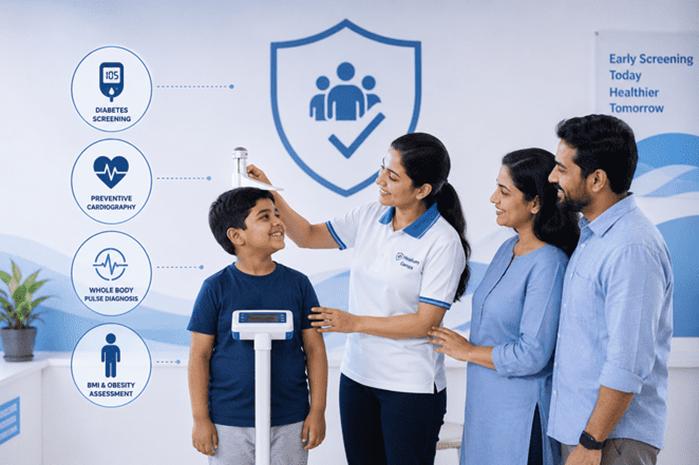
At Healium Camps, preventive healthcare programmes focus on identifying lifestyle-related health risks before they progress into serious medical conditions. Depending on the screening requirements, programmes may include Diabetes Screening with advanced HbA1c testing, Preventive Cardiography for early cardiovascular risk assessment, and Whole Body Pulse Diagnosis that provides lifestyle and wellness insights. These structured health screening programmes help organisations, schools, and communities detect potential health concerns early, encourage timely interventions, and promote long-term health awareness among participants.
Alternative (More Child-Focused)
At Healium Camps, preventive healthcare programmes are designed to support early risk identification through structured screening initiatives. For populations vulnerable to lifestyle-related conditions, programmes such as Diabetes Screening, Preventive Cardiography, and Whole Body Pulse Diagnosis can help assess important health indicators linked to metabolic and cardiovascular wellness. By bringing these screening services closer to schools, communities, and institutions, it becomes easier to promote preventive healthcare and encourage healthier lifestyle choices from an early age.
As childhood obesity continues to rise across India, the focus must shift from treating diseases after they occur to identifying risks before they become chronic conditions.
Early Action Can Change Lifelong Health Outcomes
The connection between childhood obesity, diabetes, and hypertension is becoming increasingly clear. What begins as excess weight during childhood can gradually develop into serious health challenges later in life if left unaddressed.
The encouraging news is that many of these risks can be identified early through health screening programmes and preventive healthcare initiatives. Early awareness, timely screening, and positive lifestyle changes can help children build healthier futures and reduce their risk of chronic disease in adulthood.
When families, schools, healthcare providers, and communities work together, prevention becomes far more powerful than treatment. And in the fight against childhood obesity, early action may be one of the most important investments we can make in the next generation.
Book a Camp to your community, workplace, or institution, before symptoms ever have the chance to speak first.