Climate change is often discussed in terms of rising temperatures, extreme weather, and environmental impact. However, its effects are increasingly visible in another area that directly affects individuals, communities, and workplaces – health.
Across India, prolonged heat exposure, dehydration, poor air quality, changing disease patterns, and increased occupational risks are creating new public health challenges. Many of these health conditions develop silently, making early detection more important than ever.
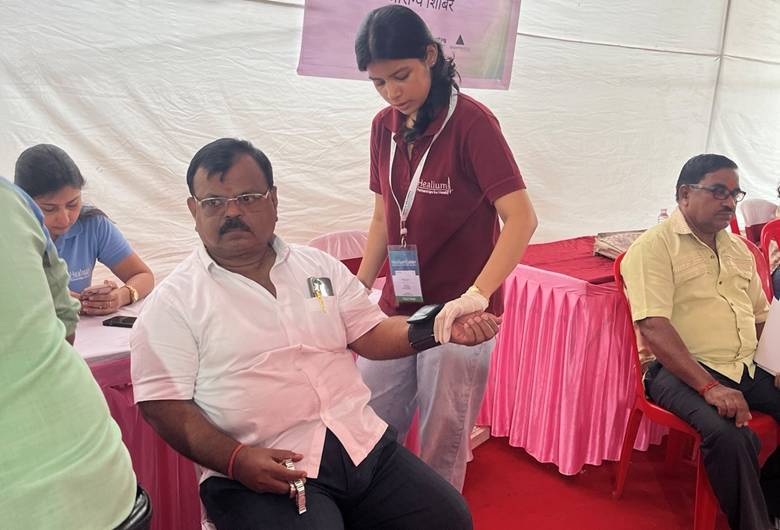
This is where health camps, medical camps, and structured health screening programmes are playing a growing role. Through preventive screening and early intervention, organizations can identify hidden health risks before they become serious medical conditions.
Healium Camps delivers large-scale screening programmes across India, helping communities, workplaces, and CSR initiatives address emerging health risks through evidence-based preventive healthcare.
Why Climate and Health Are Now Closely Connected
Climate-related health risks are no longer limited to extreme weather events. They are increasingly influencing everyday health outcomes.
Some of the most common climate-linked health concerns include:
- Increased dehydration among outdoor workers
- Rising cardiovascular stress during heat waves
- Undetected hypertension aggravated by extreme temperatures
- Occupational kidney health risks caused by prolonged heat exposure
- Greater vulnerability to infectious diseases in densely populated environments
- Nutritional and bone health concerns linked to changing lifestyles and environmental factors
Many of these conditions show few or no symptoms during their early stages, making preventive screening essential.
This is why organizations are increasingly incorporating health awareness camps and health screening camps into their preventive healthcare strategies.
The Hidden Health Risks That Often Go Undetected
While climate-related health discussions often focus on visible emergencies, the larger challenge is the growing burden of silent diseases.
1. Kidney Health Risks from Dehydration
One of the most overlooked consequences of prolonged heat exposure is kidney damage.
According to the Kidney Disease Screening programme offered by Healium Camps, certain groups face higher occupational dehydration risks, particularly:
- Outdoor workers
- Delivery personnel
- Construction workers
- Gig economy workers
- Field sales teams
- Industrial workforce operating in high-temperature environments
Chronic Kidney Disease (CKD) often progresses without noticeable symptoms, making early screening critical.
A structured health screening camp can help identify abnormal kidney markers before permanent damage occurs.
2. Hypertension and Heat Stress
India already faces a significant burden of hypertension.
The Hypertension Screening & Treatment Programme from Healium Camps highlights that over 220 million Indians are living with high blood pressure, with many remaining undiagnosed.
Heat exposure can further increase cardiovascular strain by:
- Increasing heart workload
- Contributing to dehydration
- Affecting blood pressure regulation
- Increasing the risk of cardiovascular complications
Because hypertension often develops silently, routine screening remains one of the most effective preventive measures available through a health camp or medical camp.
3. Growing Cardiovascular Risk
Climate-related stressors can have a direct impact on heart health.
Individuals already living with:
- Hypertension
- Diabetes
- High cholesterol
- Sedentary lifestyles
may face additional risks during periods of extreme heat.
Through Preventive Cardiography Screening, Healium Camps enables early assessment of cardiac health using advanced ECG-based evaluations and specialist-reviewed reporting.
For organizations conducting workforce wellness initiatives, cardiac screening can become an important component of broader health screening programmes.
4. Disease Detection Beyond Symptoms
Climate and environmental factors can also influence disease transmission patterns and healthcare accessibility.
This makes early disease detection increasingly important.
Through its Latent TB Screening Programme, Healium Camps supports early identification efforts before disease progression occurs.
Preventive screening helps:
- Identify at-risk individuals
- Support early intervention
- Reduce delays in treatment pathways
- Strengthen community health outcomes
This approach aligns with the broader objective of preventive healthcare rather than reactive treatment.
Why Health Camps Are Becoming More Important
Traditional healthcare often depends on individuals actively seeking medical attention.
The challenge is simple:
Many people do not visit a clinic until symptoms become severe.
A well-designed health camp brings healthcare directly to the community or workplace, making preventive screening more accessible.
Key advantages include:
- Higher participation rates
- Reduced travel barriers
- Faster risk identification
- Early referrals when required
- Improved awareness of preventive healthcare
This is one reason why health camps are increasingly being adopted by CSR programmes, workplaces, educational institutions, and community organizations.
Screening Programmes That Support Climate and Health Safety
Climate and health safety is not addressed through a single test.
It requires a combination of preventive screening programmes that identify different risk factors.
Important Programmes Offered by Healium Camps
- Kidney Disease Screening
- Hypertension Screening & Treatment
- Preventive Cardiography Screening
- Latent TB Screening
- Vitamin D Screening & Bone Health Analysis
- Diabetes Screening Camp
- Breast Cancer Screening Camp
- Oral Cancer Screening Camp
- Cervical Cancer Screening Camp
Together, these programmes help create a broader preventive health framework that supports both individual and community well-being.
The Role of Climate-Conscious Preventive Healthcare
As health risks evolve, preventive healthcare must evolve as well.
Organizations today are increasingly looking beyond annual wellness activities and focusing on long-term health resilience.
A proactive strategy may include:
- Regular health awareness camp initiatives
- Periodic health screening camp activities
- Occupational health assessments
- Community-based screening programmes
- Disease-specific awareness and detection programmes
- Follow-up care pathways where needed
By identifying health concerns earlier, organizations can support healthier communities while improving access to care.
How Healium Camps Supports Preventive Health at Scale
Delivering preventive healthcare effectively requires more than screening equipment.
It requires programme design, operational execution, medical expertise, and scalable implementation.
Through its nationwide screening initiatives, Healium Camps supports organizations with structured health screening programmes covering multiple disease categories and preventive health priorities.
Whether the focus is cardiovascular health, kidney health, diabetes, cancer screening, or infectious disease detection, Healium Camps enables organizations to deliver meaningful healthcare interventions through professionally managed health camps and medical camps.
FAQs
Why is climate becoming a health concern in India?
Rising temperatures, dehydration risks, environmental exposure, and changing disease patterns are creating new health challenges across communities and workplaces. Preventive screening helps identify these risks early.
How can a health camp support climate and health safety?
A health camp provides accessible preventive screening that can identify conditions such as hypertension, kidney disease, cardiovascular risk, and other health concerns before symptoms become severe.
Which screening programmes are most relevant for climate-related health risks?
Kidney Disease Screening, Hypertension Screening & Treatment, Preventive Cardiography Screening, Latent TB Screening, and Vitamin D Screening & Bone Health Analysis are particularly relevant for preventive health planning.
Why are health screening programmes important for organizations?
They help identify health risks early, improve workforce well-being, support preventive healthcare initiatives, and increase access to medical screening services.
Can climate and health safety be addressed through a single screening programme?
No. Climate-related health risks affect multiple body systems. A combination of screening programmes provides a more comprehensive approach to preventive healthcare.